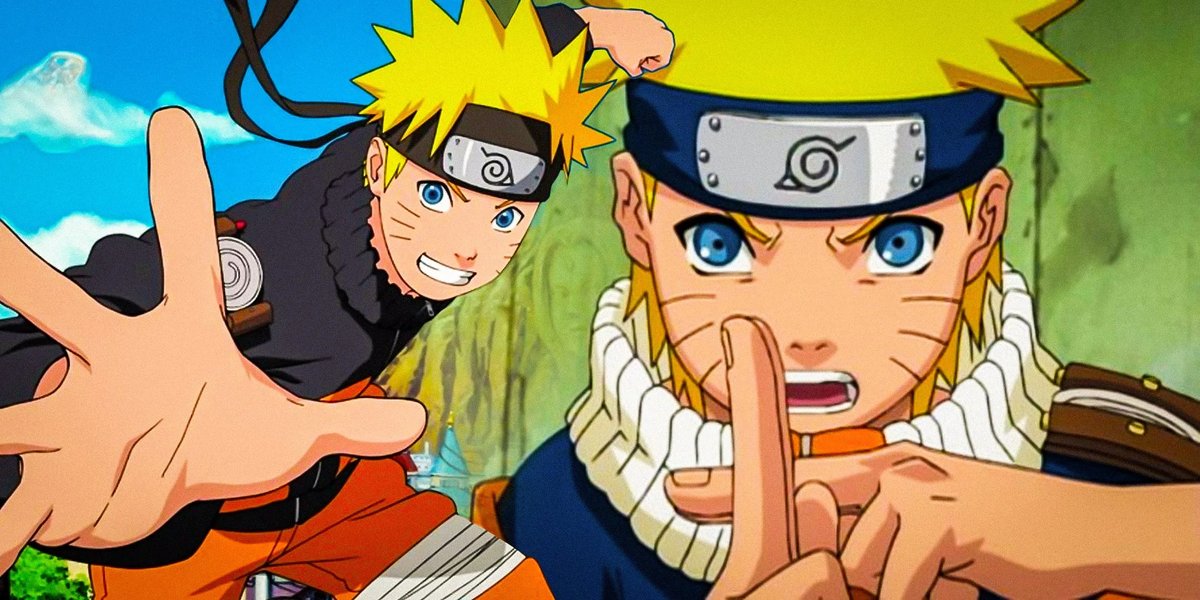
From the sprawling ninja world of the Hidden Leaf Village to the Edo period reimagined with aliens and laser swords, "Naruto" and "Gintama" stand as titans of anime. Naruto Uzumaki's journey from ostracized orphan to the Seventh Hokage has inspired millions, cementing his place as a global pop-culture phenomenon. Meanwhile, Gintama has carved its own legendary niche with irreverent humor, sharp satire, and surprisingly profound dramatic arcs, all while frequently lampooning its peers in the anime world.
The question isn't if Gintama would poke fun at a series as monumental as Naruto, but how it would do it. For fans wondering about a genuine "Naruto Uzumaki in Gintama" crossover, the explanation lies not in a canonical meeting, but in Gintama's unique brand of homage and parody.
Gintama: The Master of Meta-Humor and Parody
Gintama isn't just a sci-fi samurai comedy; it's a genre-bending spectacle that delights in deconstructing anime tropes and poking fun at pop culture. Set in an alternate Edo period where alien "Amanto" have conquered Japan, it follows the eccentric samurai Gintoki Sakata and his Yorozuya crew as they take on odd jobs, often stumbling into hilarious or life-threatening situations. The series is renowned for its seamless blend of slapstick comedy, heartfelt drama, and its iconic ability to shatter the fourth wall, directly addressing the audience or commenting on its own production.
This meta-awareness is Gintama's superpower, allowing it to reference, parody, and even critique other popular anime with hilarious precision. If you're curious about the sheer range of pop culture Gintama skewers, our deep dive into Gintama's Funniest Anime Parodies offers an unparalleled look at its comedic genius. Understanding Gintama's comedic style is key to appreciating its references to Naruto. It's a show that isn't afraid to joke about itself, its creators, or its fellow anime brethren, making it a truly unique viewing experience. For a deeper understanding of the series' core elements, exploring Exploring Gintama's Unique Sci-Fi Samurai World can provide valuable context on its setting and premise.
The Enduring Legacy of Naruto Uzumaki
Before diving into the parodies, it's essential to grasp the monumental stature of Naruto Uzumaki himself. Naruto's story begins as a 12-year-old orphan, ostracized for having the Nine-Tailed Demon Fox sealed within him. His unwavering ambition to become Hokage, his village's leader, fuels a journey of resilience, self-discovery, and profound relationships. From mastering the Multi-Shadow Clone Jutsu and Rasengan to forging an unbreakable bond with his rival Sasuke Uchiha and eventually marrying Hinata Hyuga, Naruto embodies the classic "Bildungsroman" or coming-of-age narrative.
His optimistic personality, his famous verbal tic "-ttebayo" ("Believe it!"), and his ability to overcome loss have made him incredibly relatable and inspiring. Naruto's journey is a testament to perseverance, friendship, and the power of believing in oneself, resonating with audiences worldwide. To truly appreciate the depth of his character, understanding Naruto Uzumaki's Complete Character Journey reveals the many layers of his growth and struggles. His impact extends far beyond the manga pages, influencing other creators and becoming a legitimate cultural phenomenon, a topic brilliantly unpacked in The Unforgettable Cultural Impact of Naruto Uzumaki.
Decoding Naruto References in Gintama
So, does Naruto Uzumaki actually appear in Gintama? The straightforward answer is no, not in any canonical, physical crossover sense. However, Gintama consistently pays homage to Naruto through numerous parodies, visual gags, and character impressions, celebrating its fellow Shonen Jump icon with its signature brand of satirical affection. These aren't just one-off jokes; they're woven into the fabric of the show's humor, demonstrating a clear familiarity and appreciation for Kishimoto's masterpiece.
Gintama's references often involve:
- Visual Gags: Characters might momentarily strike Naruto's signature running pose (the "Naruto run"), or display symbols reminiscent of the Hidden Leaf Village.
- Character Impersonations: The Yorozuya crew, particularly Gintoki, Kagura, or Shinpachi, might mimic Naruto, Sasuke, or Sakura's personalities and catchphrases, often exaggerating them for comedic effect. Even the Shinsengumi might get in on the action. Delve deeper into the core cast that drives this humor with Who Are the Main Characters of Gintama?.
- Plot Parodies: Gintama might create mini-arcs or single episodes that thinly veil parodies of Naruto's major plot points, iconic jutsu like the Rasengan, or emotional climaxes, twisting them for comedic gold.
- Direct Mentions: Sometimes, Gintama breaks the fourth wall even further by directly mentioning "Naruto" as a popular manga or anime, much like a character in our world might. This self-referential humor is a cornerstone of the series, explored in more detail in How Gintama Breaks the Fourth Wall.
These instances are more than just simple jokes; they’re a playful nod from one hugely successful anime to another, designed to entertain fans of both series. For every single instance and detailed breakdown of these hilarious call-outs, make sure to check out Every Naruto Easter Egg and Reference in Gintama.
The Legacy of Laughter and Respect
The relationship between Naruto and Gintama, though never a direct crossover, perfectly encapsulates the camaraderie within the anime industry. Gintama's parodies are never mean-spirited; they are a form of affectionate teasing, acknowledging Naruto's immense popularity and the tropes that made it famous. It’s a testament to Naruto's widespread recognition that Gintama's audience immediately understands these references, amplifying the humor.
Whether you're exploring the animated adventures or delving into Sorachi's original work, understanding how these parodies fit into the broader narrative is key. If you're wondering which medium offers the best experience for this kind of meta-humor, our guide on Gintama Manga vs. Anime: Which One to Watch First? can help you decide. As both series have now concluded their main stories, these parodies serve as a fun historical marker, reminding us of a vibrant era in anime. And for those who followed Gintama to its very last laugh, a look at Gintama's Ending Explained: A Farewell to the Yorozuya provides a poignant send-off.
Ultimately, "Naruto Uzumaki in Gintama explained" boils down to Gintama's unparalleled ability to blend sci-fi samurai action with side-splitting satire, weaving Naruto's enduring legacy into its own comedic tapestry. It’s a crossover of spirit, not of canon, celebrating the vibrant world of anime one hilarious reference at a time.